Programme-level opening event in the Research Programme of the Hungarian-Swiss Cooperation


On 26 November 2025, the National Research, Development and Innovation Office held the opening event of the Research Programme under the Second Swiss–Hungarian Cooperation Programme.
The Programme contributes to the growth of Hungary’s economy and competitiveness by strengthening the research excellence and innovation capacities of Hungarian research institutes, universities and enterprises and by facilitating the research and innovation cooperation with international partners. The four Programme Components of the Research Programme will enhance the relations of the Hungarian research and innovation communities with leading RDI actors and networks in the European Research Area (ERA) and improve the alignment with ERA policy objectives.
Component 1: This component aims to promote the integration of the Szeged-based ELI-ALPS Laser Research Institute into international networks, to promote it, and to attract researchers to conduct their research at this research institute.
Component 2: This component aims to improve the innovation capacity and international competitiveness of Hungarian SMEs by facilitating their participation in the EUROSTARS programme.
Component 3: This programme component aims to increase Hungarian participation in international research infrastructures, expand scientific knowledge of Hungarian researchers, facilitate their integration into international networks, and to support their multidisciplinary scientific cooperation, in particular in research infrastructures of common interest to both Hungary and Switzerland.
Component 4: This programme component entitled MAPS (Multilateral Academic Projects) aims to establish long-term, sustainable research and innovation partnerships between Hungarian and Swiss partners, as well as other international partners (Polish, Croatian, Bulgarian, Romanian), with particular focus on encouraging joint participation in the Horizon Europe framework programme.
The National Managing Authority (NMA) is responsible for the domestic planning, coordination, and implementation of the entire programme, known as the Swiss Fund. The authority operates under the auspices of the National Development Centre.
Swiss funding: HUF 3.98 billion
National co-financing: HUF 700 million
The opening event was an important milestone in presenting the domestic implementation of the Swiss-Hungarian Cooperation Programme, and also in the life of the NRDI Office, as the Office acts as the Programme Operator of the Research pillar, i.e., it is responsible for the technical implementation of the Programme.
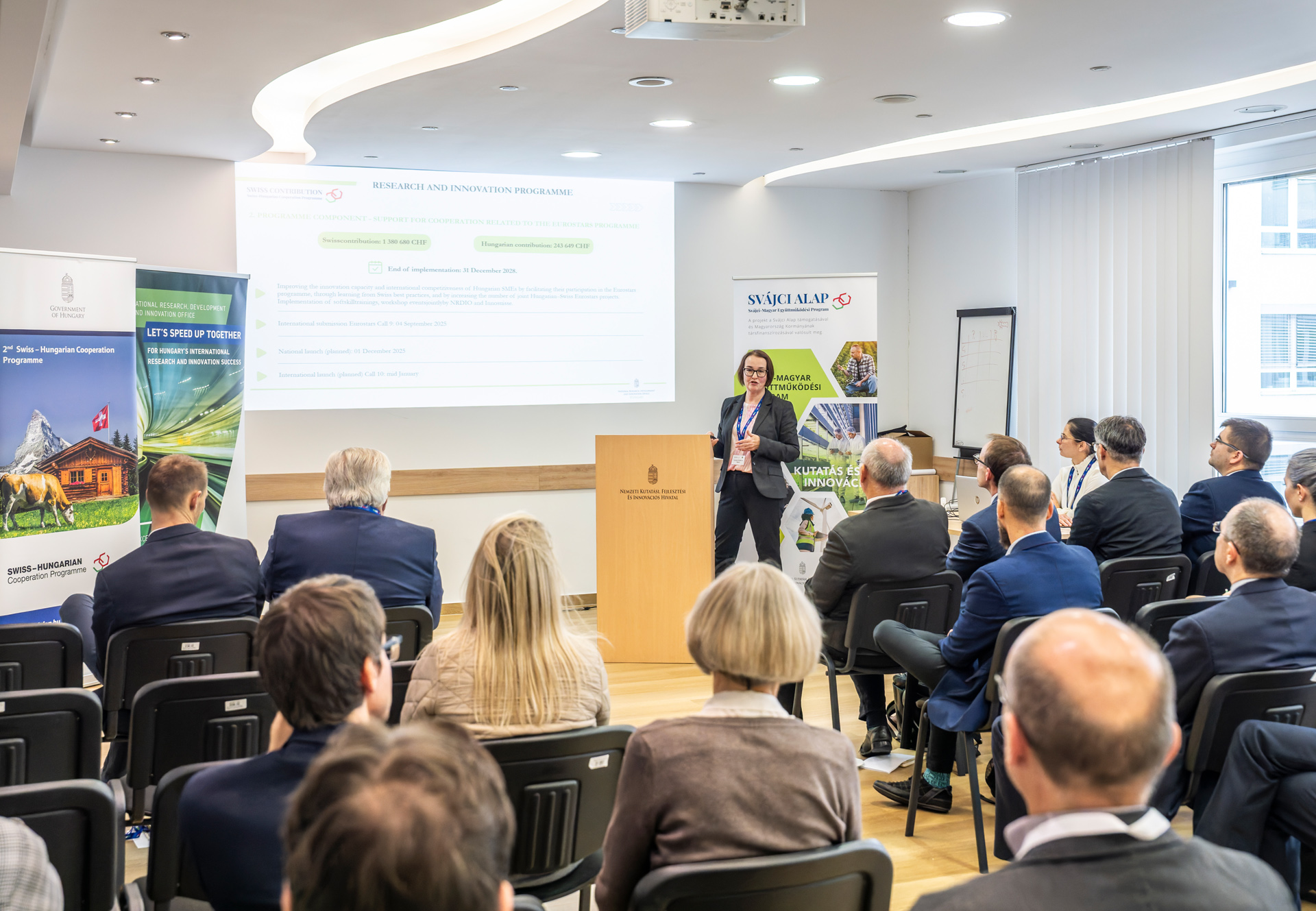
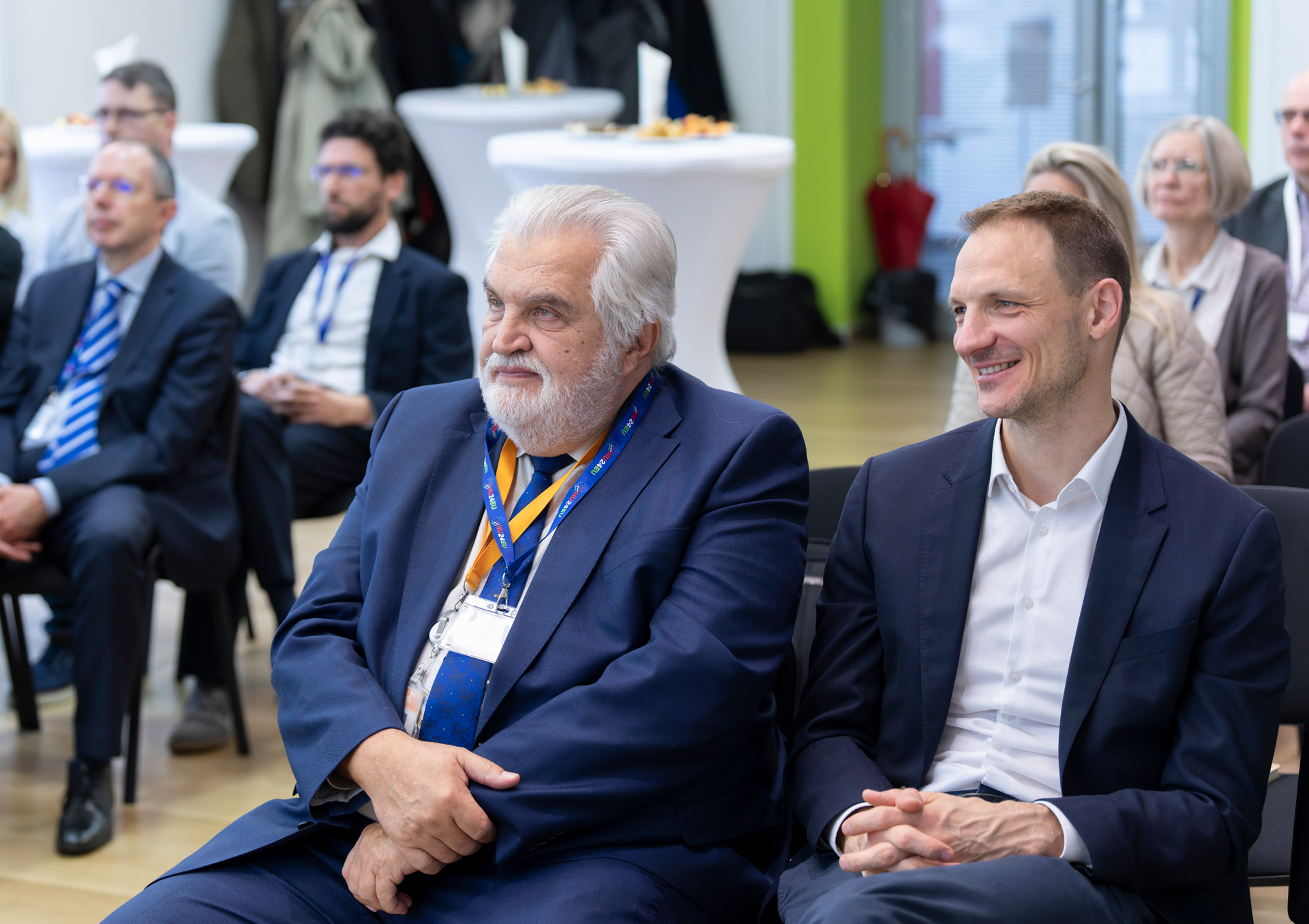
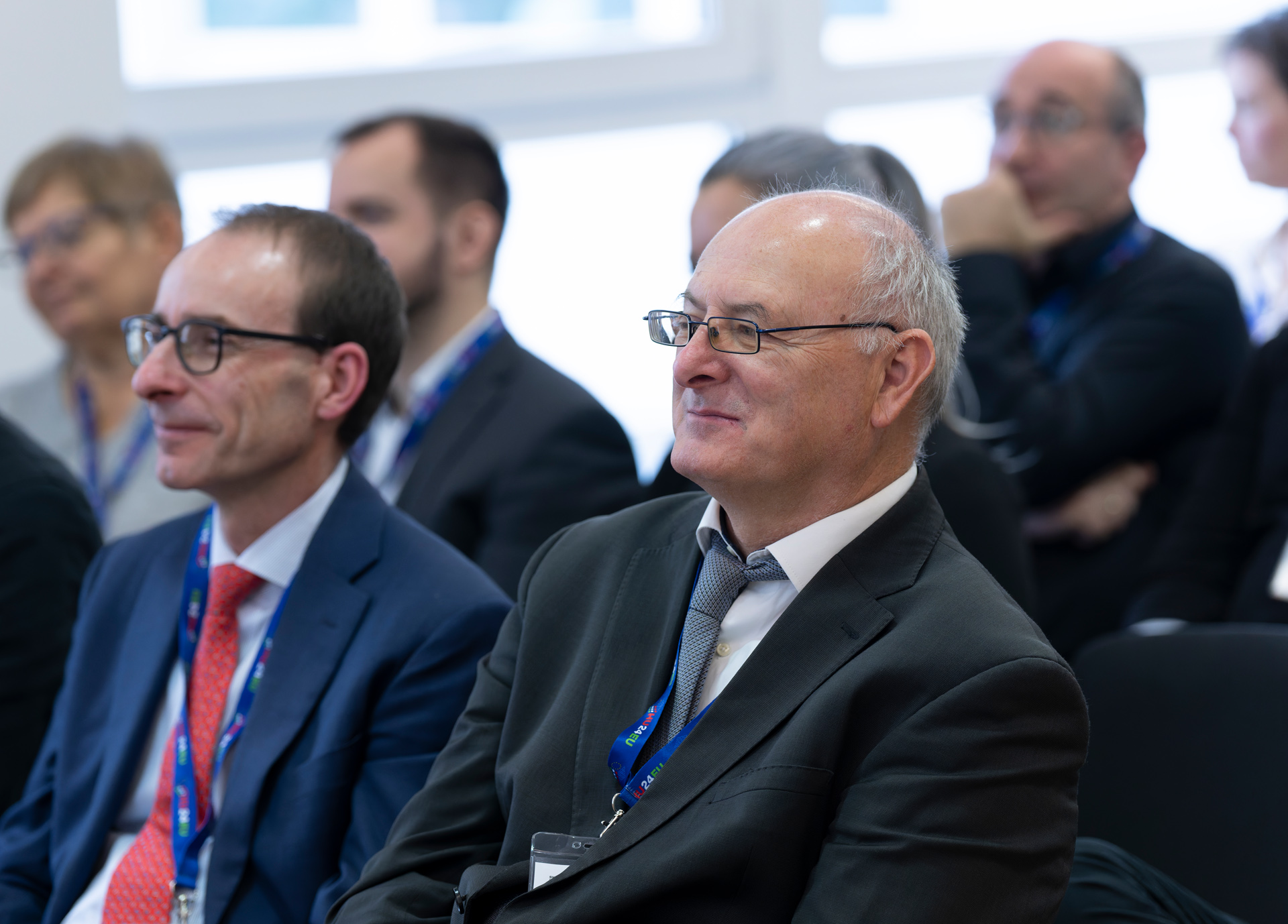
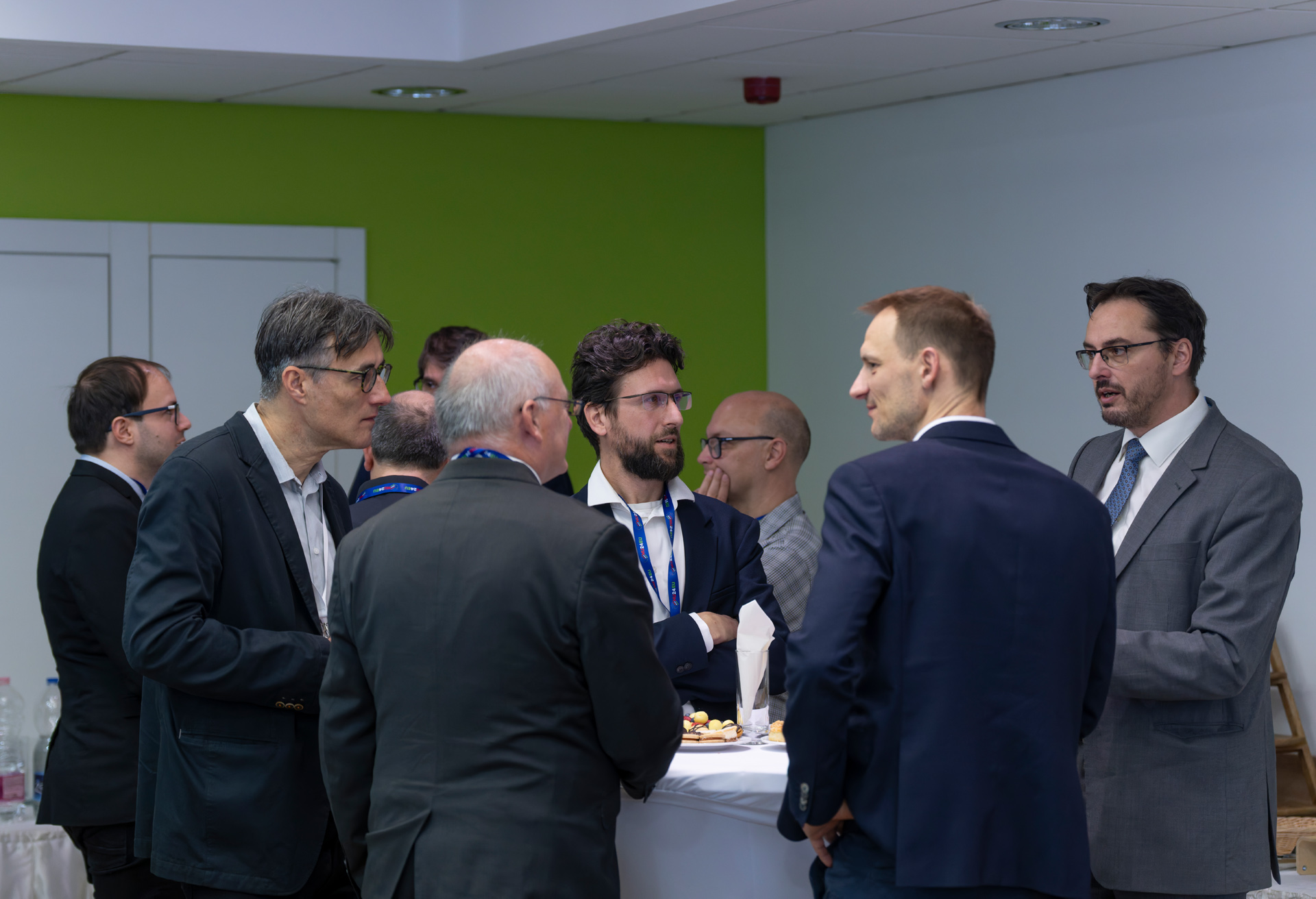
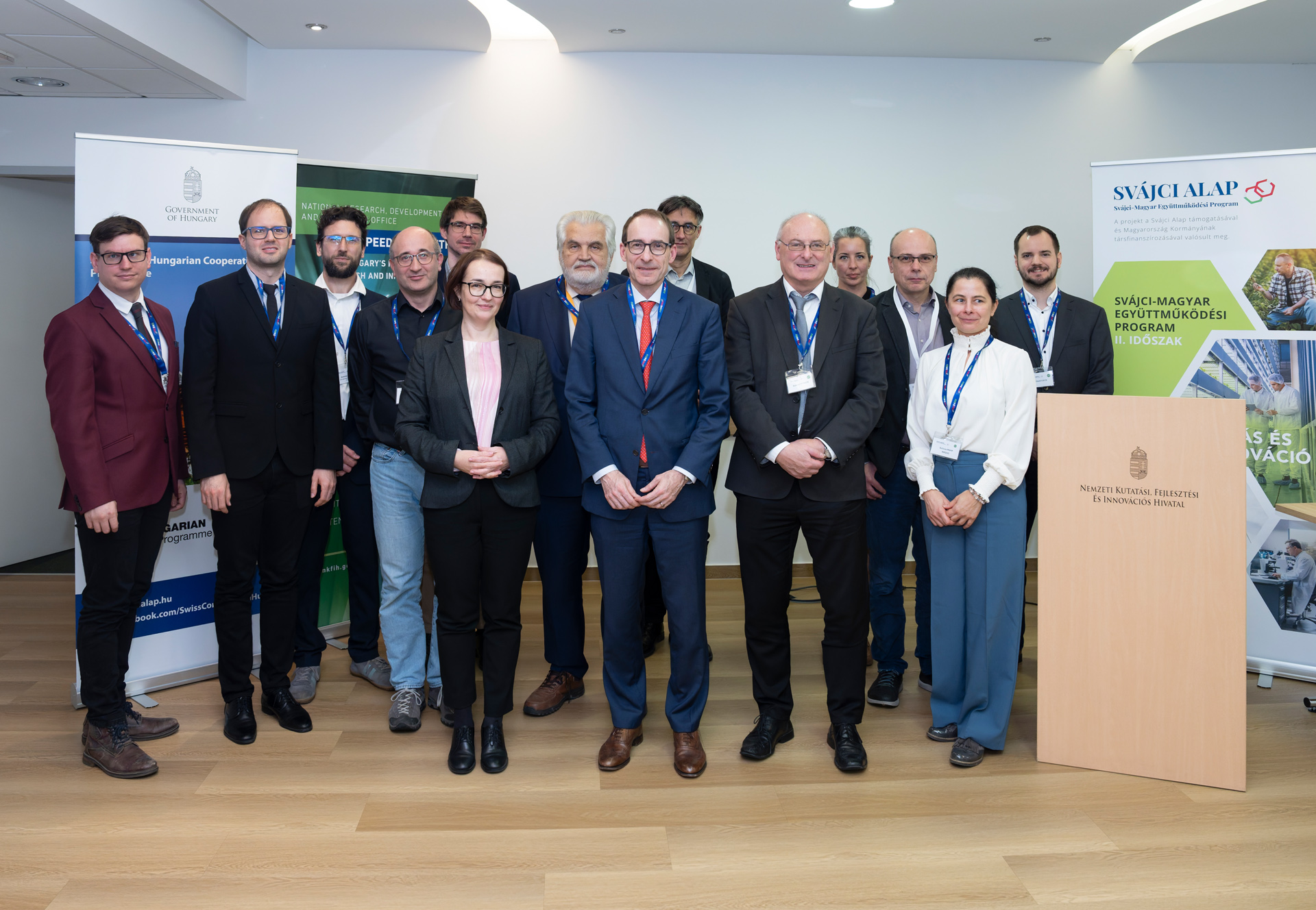
The opening event took place at the headquarters of the NRDI Office with the broad participation of the research and innovation community.
The event was opened by Dr. László Lengyel, Vice President for Science and International Affairs of the NRDI Office, who highlighted the strategic importance of the Swiss-Hungarian Cooperation Programme and emphasised that the Second Swiss Contribution provides outstanding opportunities for Hungarian research groups to achieve an even stronger presence in the international scientific arena, while significantly increasing the number of joint Swiss-Hungarian research collaborations at the international level.
This was followed by welcoming remarks by Mr. Alexander Renggli, newly appointed Ambassador of Switzerland to Hungary, who underlined the decades-long and stable scientific relations between the two countries and emphasised the importance of further strengthening and deepening these cooperation ties. The Swiss Contribution Office was represented by Mr. Roland Python and Mr. Attila Balogh. The primary responsibility of the Swiss Contribution Office (SCO) is to monitor the preparation and implementation of the aid measures.
Dr. Gergő Korponai, Head of the National Coordination Unit of the National Development Centre presented the mechanism of the Swiss-Hungarian Cooperation Programme providing an overview of the structure and national implementation framework of the Second Swiss Contribution.
Dr. Borbála Schenk, Head of the Department for International Cooperation of the NRDI Office gave a detailed presentation of the Research Programme, highlighting the objectives and the component elements of the Research Programme, and its expected professional outcomes.
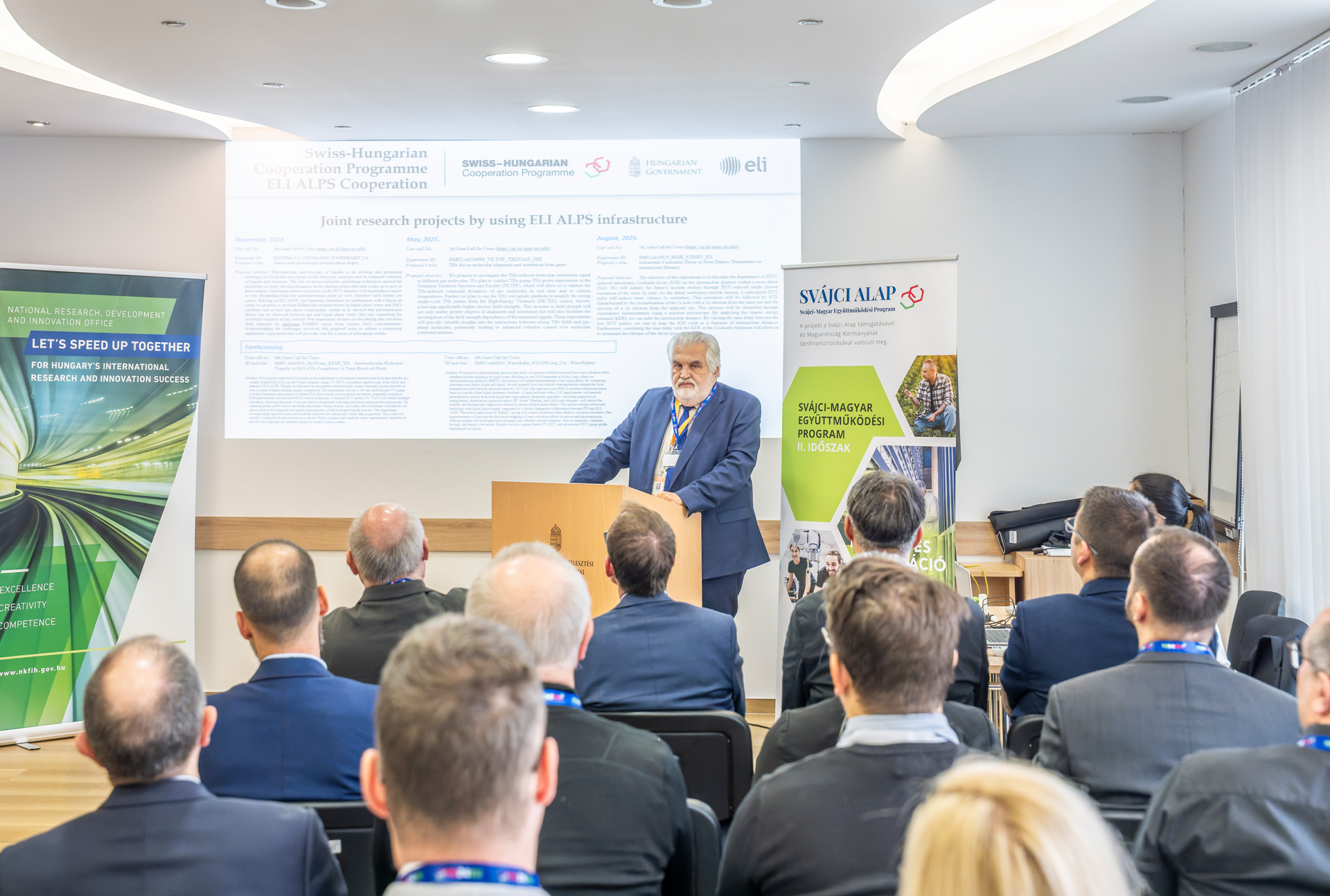
The first session of the event concluded with a presentation by Dr. Gábor Szabó, Managing Director of ELI ALPS Laser Research Institute, who acquainted guests with the professional significance of the Programme’s first component, the ELI ALPS Institute, and the opportunities it offers for international cooperation.
The second session of the event highlighted research collaborations involving Hungarian partners supported under MAPS, the fourth component of the Programme. For the SNSF (Swiss National Science Foundation), nearly 350 applications across three scientific domains (LS, STEM, and SSH) underwent a multi-month, multi-step evaluation process, carried out by independent external reviewers and thematic international expert panels. From this distinguished pool, seven projects featuring significant participation by Hungarian researchers were ultimately awarded funding.
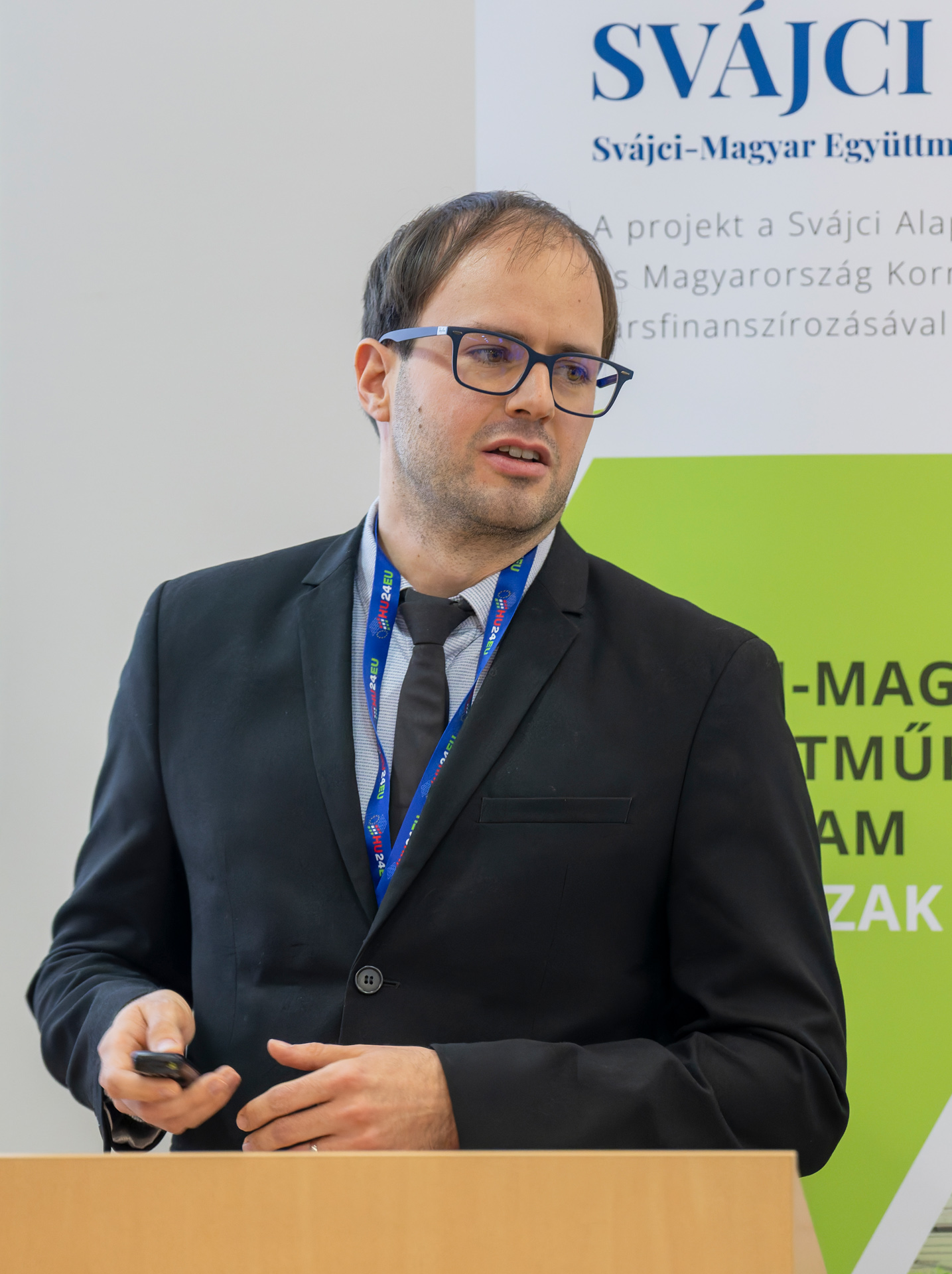
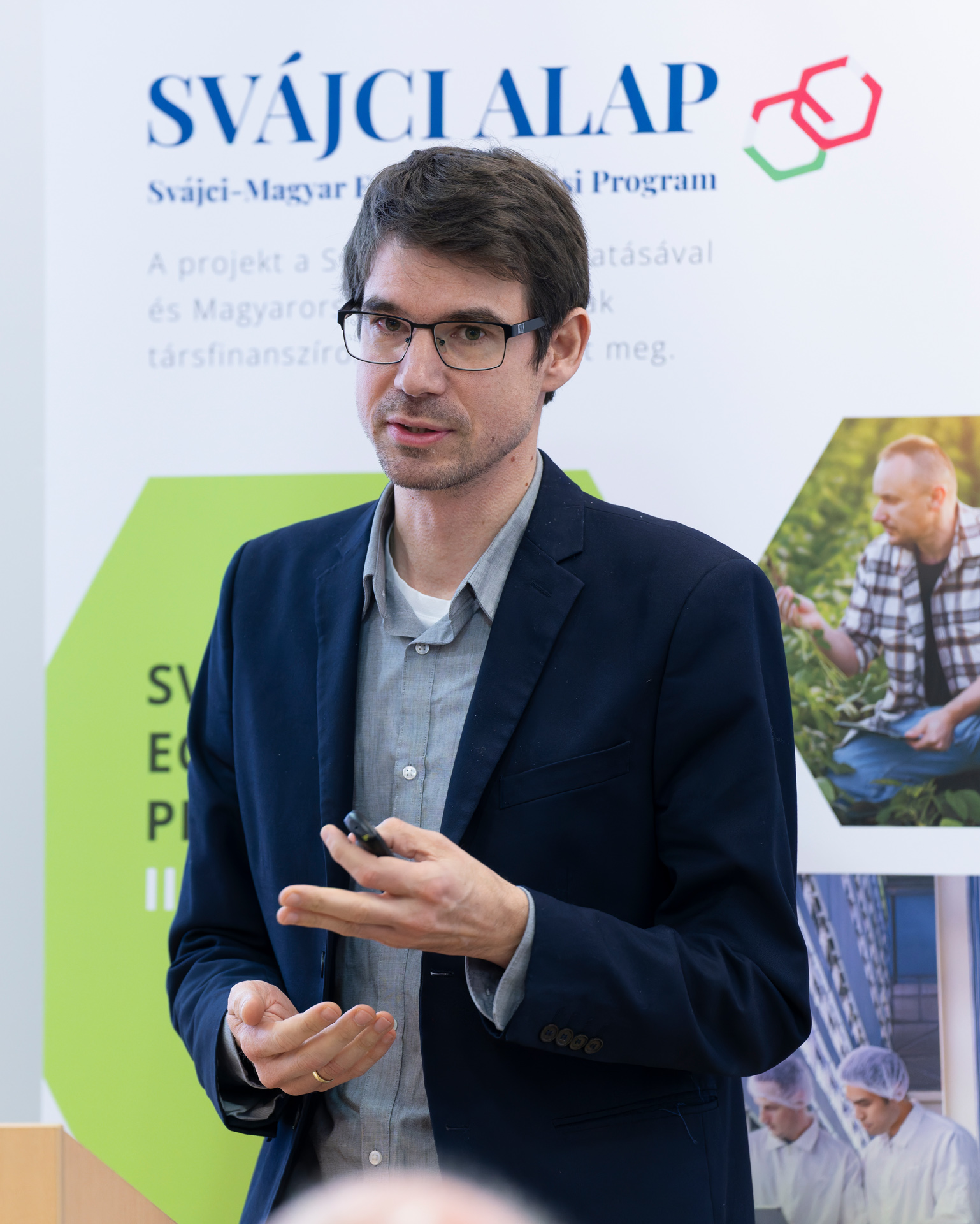
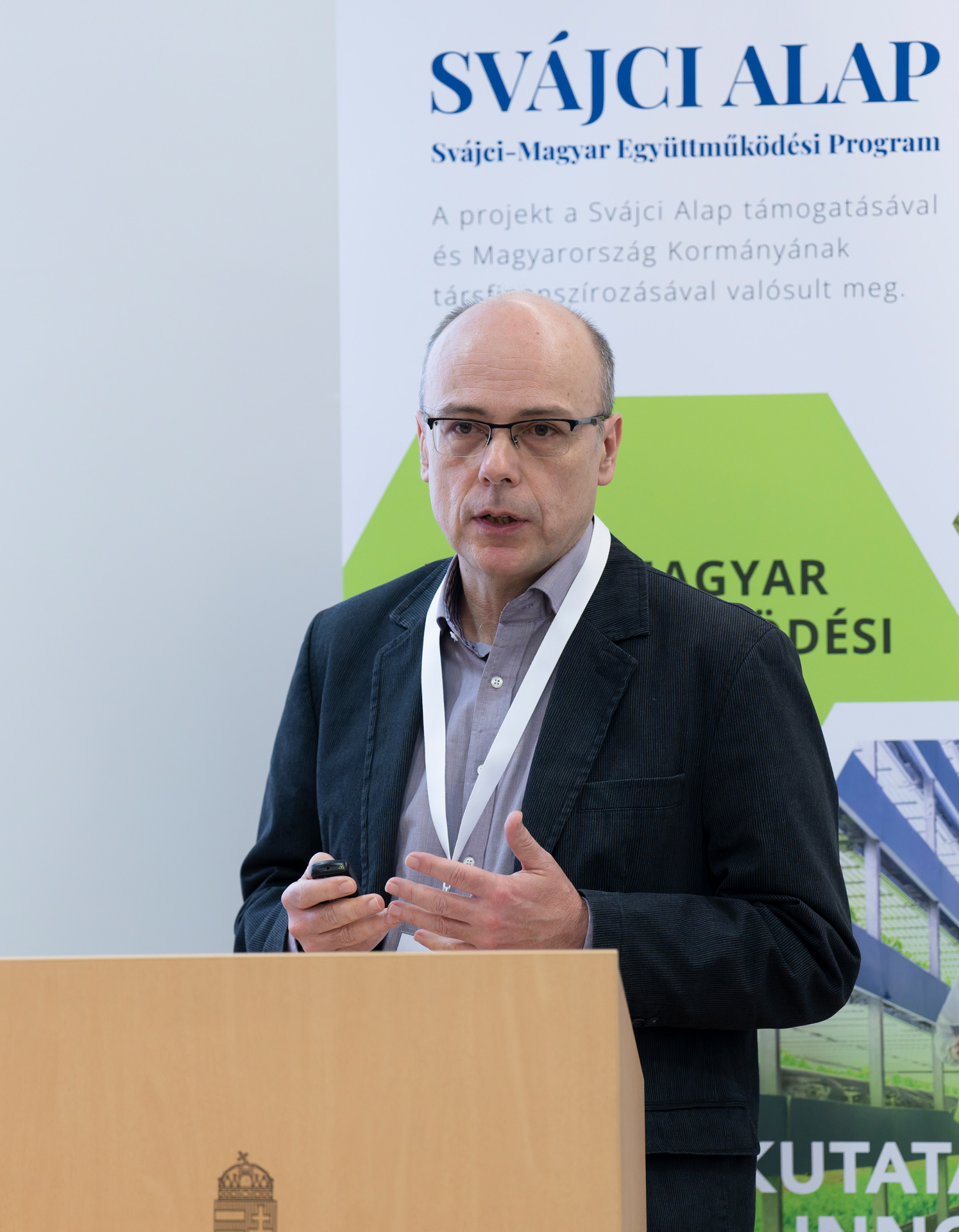
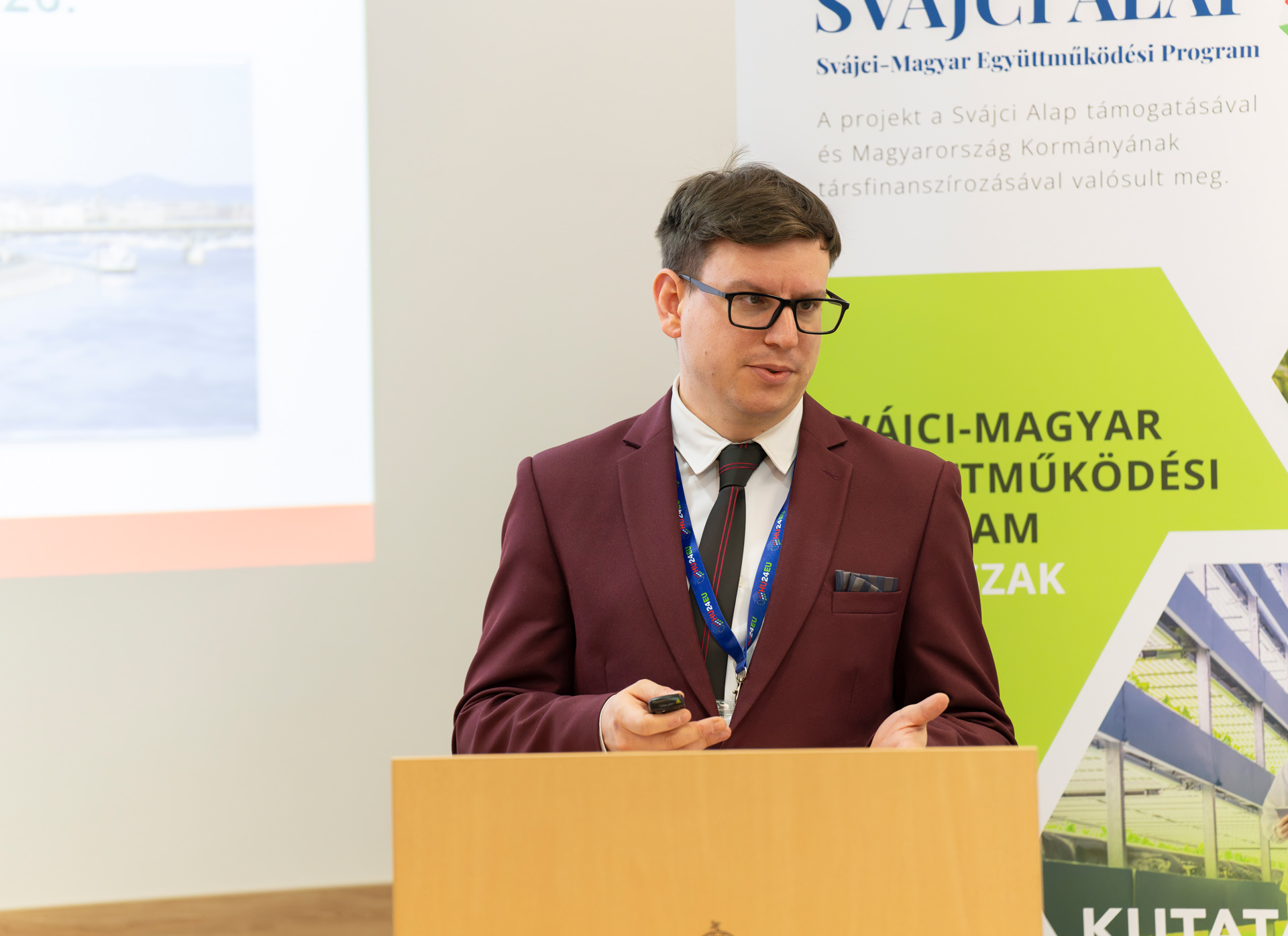
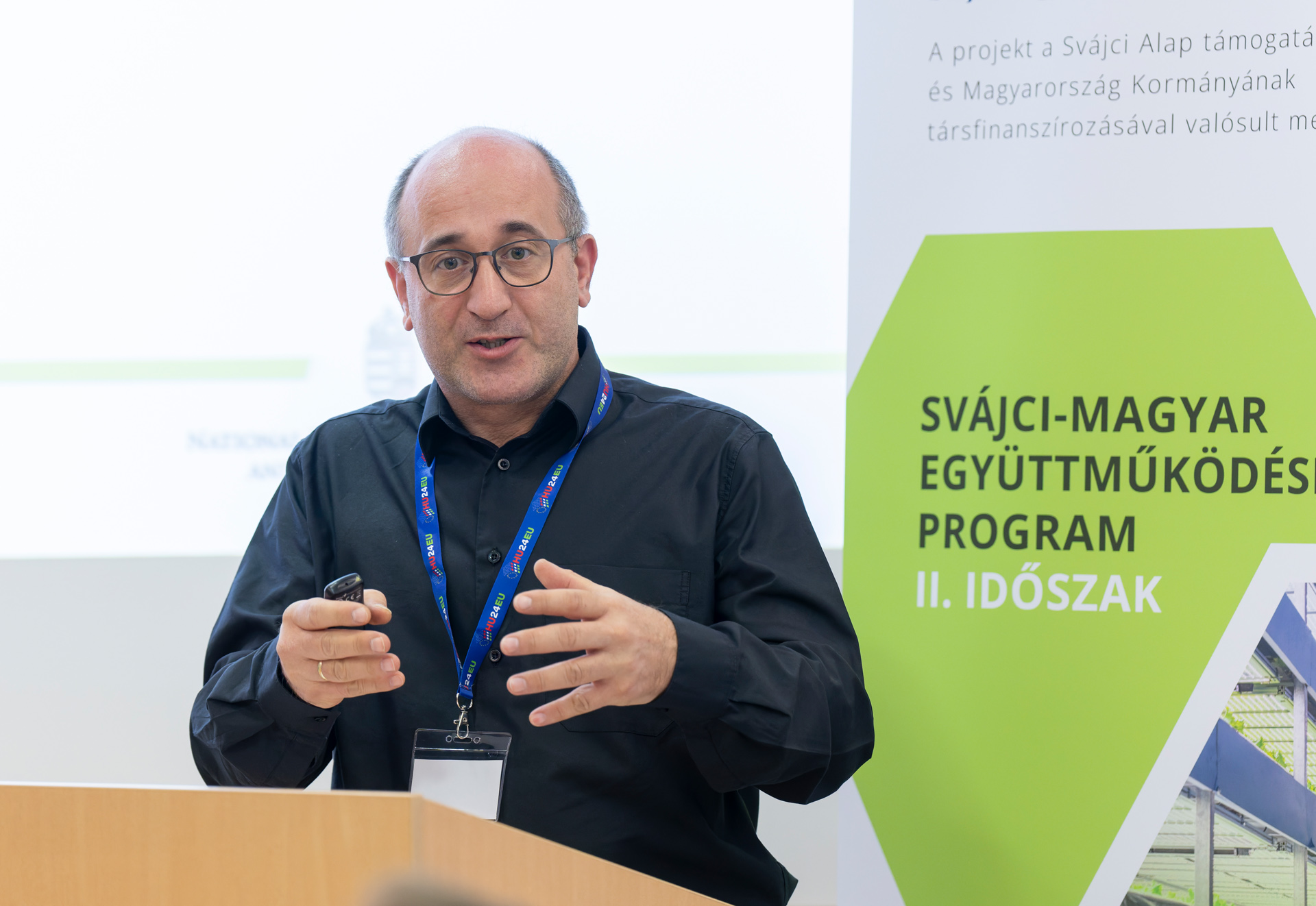
Upon presenting the MAPS projects, Hungarian coordinators and representatives of the international consortia outlined their research objectives and anticipated scientific outcomes, highlighting that the Programme not only drives scientific innovation but also actively enhances the international visibility and integration of Hungarian researchers. Applications with Hungarian participation that were granted aid:
- HUN REN Research Centre for Natural Sciences
Project title: Combinatorial synthesis of cyclic peptide libraries and their application against emerging therapeutic targets. Discipline: STEM. Speaker: Dr. Dávid Bajusz - Eötvös Loránd University
Project title: Extranuclear activities of genome maintenance protein complexes in stress response. Discipline: LS. Speaker: Dániel Molnár - HUN REN Research Centre for Natural Sciences
Project title: Templating Chemical Spaces with Layered Hybrid Perovskites (TeSLa). Discipline: STEM. Speaker: Dr. Gábor London - HUN-REN Wigner Research Centre for Physics
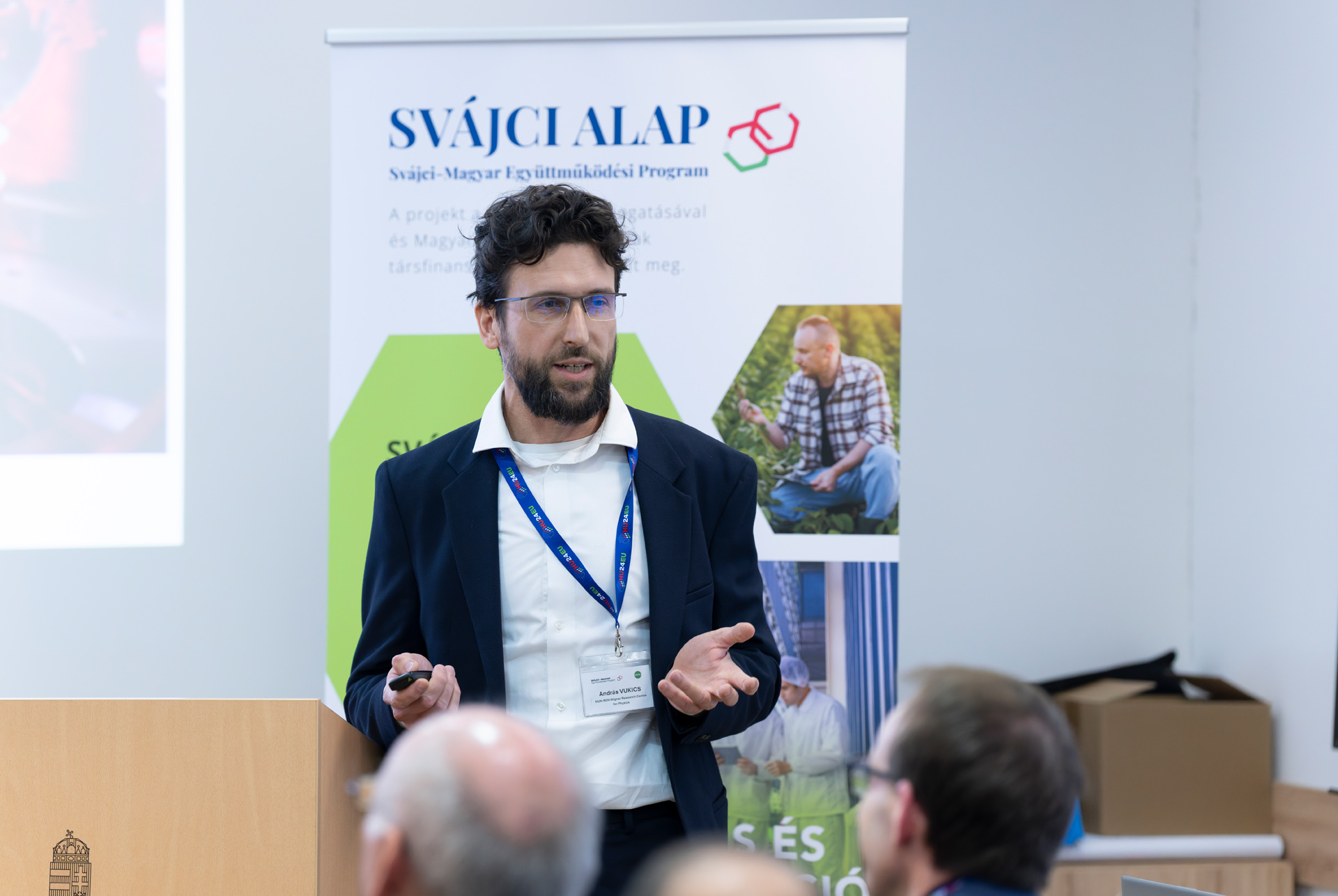
Project title: Spin and Hubbard Models in a cavity QED setting (SpinHubQ). Discipline: STEM. Speaker: Dr. András Vukics - HUN REN Centre for Economic and Regional Studies
Project title: Transforming Social Inequalities in the Digital Society. The Role of Vocational Education and Training. Discipline: SSH. Speaker: Dr. Zoltán Hermann - HUN-REN Office for Supported Research Groups
Project title: Plant lessons: Identification of intrinsic and extrinsic factors determining higher plant ABC transporter directionality. Discipline: LS. Speaker: Dr. Tamás Hegedűs - National University of Public Service
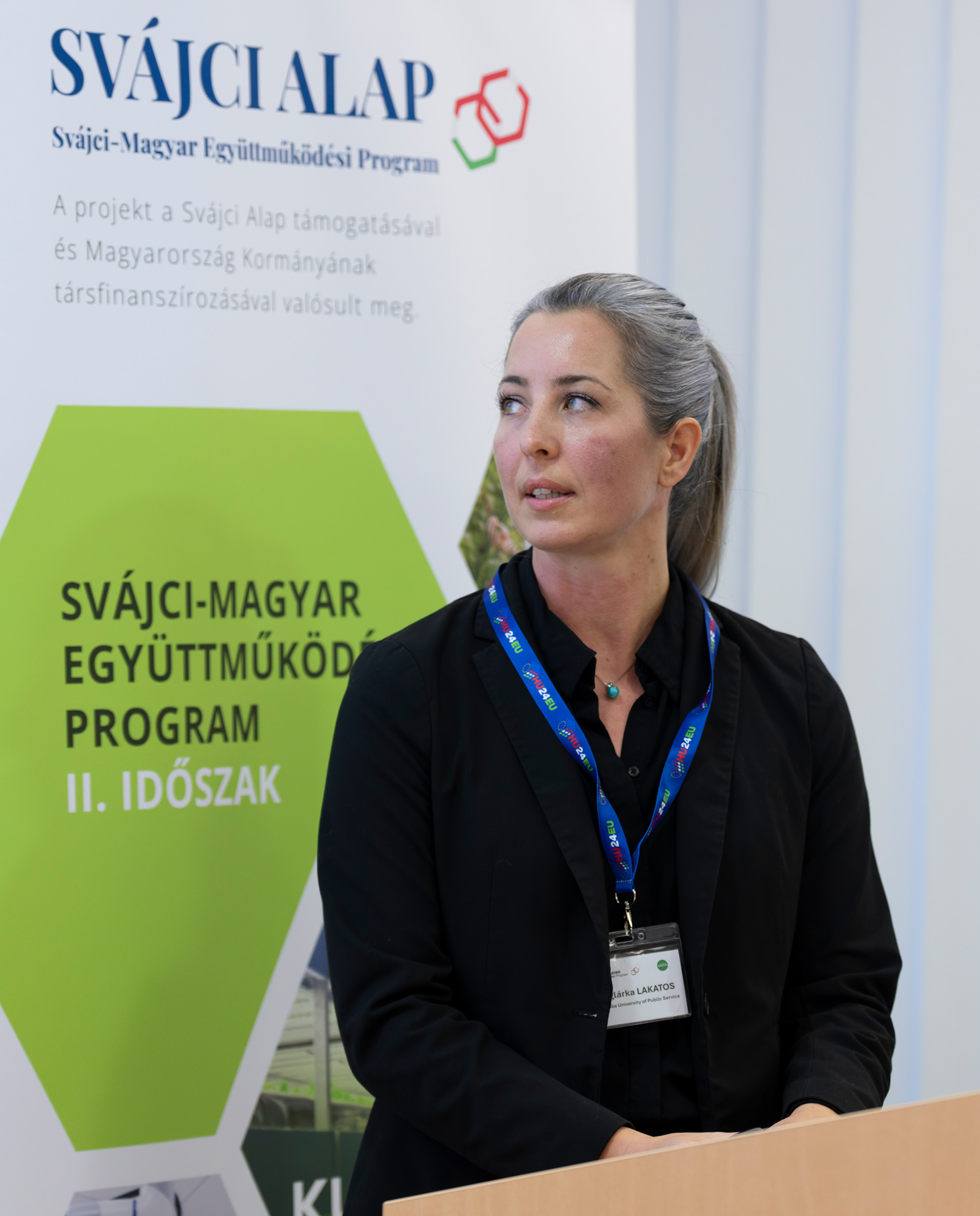
Project title: Transboundary water cooperation between EU member States and third countries: governance resilience analysis and hydropolitical model-building. Discipline: SSH. Speaker: Boglárka Lakatos
The opening event reaffirmed, on both the Swiss and Hungarian sides, the key role of the Swiss-Hungarian Cooperation’s Research Programme in strengthening the academic networks between the two countries, supporting scientific excellence, and fostering long-term, sustainable research partnerships. The Programme further contributes to enhancing the international integration of Hungarian research infrastructures and research groups, while opening up new opportunities for bilateral and multilateral collaborations.