


Hungarian host offers for the MSCA PF 2026 call


Find your Hungarian supervisor and come to Hungary as a Marie-Skłodowska Curie Postdoctoral Fellow!
Marie-Skłodowska Curie Actions are the European Union’s flagship funding programme for doctoral education and postdoctoral training of researchers.
MSCA Postdoctoral Fellowships enhance the creative and innovative potential of researchers holding a PhD who wish to acquire new skills through advanced training, international, interdisciplinary and inter-sectoral mobility. MSCA Postdoctoral Fellowships is open to excellent researchers of any nationality, undertaking international mobility. Applications will be made jointly by the researcher and a host institution; the supervisor is the senior researcher appointed at the host institution to supervise the postdoctoral researcher throughout the whole duration of the action. All disciplines are eligible for Postdoctoral Fellowships.
The NCP Hungary Horizon Europe Team at the National Research Development and Innovation Office helps you match with your future supervisor: please find below the host offers of excellent Hungarian universities and research institutions looking for interested postdoctoral researchers in cutting-edge research areas to apply for the MSCA PF 2026 call.
 Name of the host institution: ELTE Eötvös Loránd University
Faculty: Faculty of Science
Name of the supervisor: Máté Csanád
Organisational Unit / Research Group: Femtoscopy Research Group
Research Team
- Máté Csanád (professor; femtoscopy, QCD phase diagram, hydrodynamics, flow)
- Márton Nagy (femtoscopy, hydrodynamics, complex analysis)
- Dániel Kincses (postdoctoral researcher; femtoscopy, QCD phase diagram)
- Barnabás Pórfy (PhD student, femtoscopy, QCD phase diagram, data aquisition)
- + several other students working on various fields
https://phenix.elte.hu/
https://star.elte.hu/
https://normadiagnostika.com/norma-instruments-and-elte-university-collaborate-on-granulocyte-isolation-research
Research Interests: Femtoscopy encompasses methods that enable one to measure femtometer-scale geometries. In heavy-ion physics, this is achieved through the investigation of quantum-statistical correlations among the observed particles. The system's size, lifetime, geometrical as well as flow asymmetry can be studied, which, coupled with phenomenological models, carry information about the Equation of State of the matter. Furthermore, the strength of the multi-particle correlations reveals the ratio of primordial particles to decay products, has connections to in-medium mass modifications, symmetry restorations, and may give insight on possible exotic particle emitting sources such as coherent hadron production or pion lasers. Our group spearheads the effort to establish the methodology of novel types of femtoscopic measurements utilizing Lévy distributions to describe the system. We publish phenomenology and experimental papers on the topic at SPS (NA61), RHIC (PHENIX and STAR) and LHC (CMS). We welcome postdoctoral candidates interested in joining this endeavor, from the experimental (NA61, PHENIX, STAR or CMS) and/or the phenomenological side.
ORCID: https://orcid.org/0000-0002-3154-6925
Contact e-mail: csanad@elte.hu
Download hosting offer: MSCA PF 2026 HOSTING OFFER - ELTE, FEMTOSCOPY PDF (298 KB)
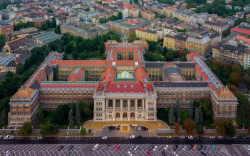 Name of the host institution: Budapest University of Technology and Economics
Faculty: Faculty of Chemical Technology and Biotechnology
Name of the supervisor: Péter Nagy
Organisational Unit / Research Group: ERC Molecular Quantum Simulation Research Group
Research Team: Team members: PI, 4 postdoc, 3 PhD, 3 undergraduate:
Expertise: development of quantum chemistry models and programs with universally trusted predictive power and their acceleration to routinely affordable simulation times. Modeling and understanding of complicated molecular interactions and reactions that are not accessible accurately without our models, including drug-protein, supramolecules, molecular crystals, and reactivity across homogeneous, surface and enzyme catalysis.
Project experiences (EU / international):
European Research Council (ERC) project 2023 aCCuracy: Turning gold standard quantum chemistry into a routine simulation tool: predictive properties for large molecular systems
MSCA PF project 2025 DNACopyComp: Development of a predictive quantum simulation protocol for understanding DNA polymerase function and toxic inhibition
MSCA cofund project 2025: Development of a broadly predictive quantum model applicable to practical transition-metal catalysis: understanding CO2 reduction
MSCA cofund project 2026: Harnessing gold-standard predictive power for solid-state batteries: Optimization of the conductivity and polymerization catalysts for polymer electrolytes
Research Interests: Predictive modeling and atomistic understanding of challenging covalent- and non-covalent interactions in large molecules using our models, where modern workhorse computational methods (such as DFT) have well-known difficulties:
- complicated interactions between large molecules governing, e.g., supramolecular and catalyst-substrate interactions. E.g., protein-drug interactions and molecular crsytals.
- the mechanism of environment-friendly and selective organo-, and earth-abundant transition-metal catalytic reactions. E.g., CO2, H2O, and N2 activation.
- surface and enzyme catalysis in proper solvent, crystal, and protein environment. E.g., computational mechanistic study of phosphate reactions relevant to cancer formation or human DNA and viral RNA polymerization and related drug design
Development of quantum chemistry models and programs: - improving the accuracy and speed of our methods via better approximations (via, e.g., higher-order perturbative estimates, explicit electron correlation, improved long-range interactions, etc.) and a massively parallel code
- development and practical implementation of similarly efficient DFT and local CCSD(T) level observables, such as thermodynamic, structural, spectroscopic, and dynamic molecular properties
- Further development and application of our multilevel or embedding methods using gold standard accuracy for the chemically active region combined with cost-efficient models (MP2, DFT, ML, MM) to take into account biochemical, crystal, and solvent environment effects.
- Blending wavefunction and DFT methods to extend and improve our double-hybrid and wavefunction-in-DFT embedding approaches
- Extensions of these efficient and accurate DFT, PT, and CC methods to open-shell and multireference systems.
ORCID: orcid.org/0000-0001-6692-0879
Contact e-mail: nagy.peter@vbk.bme.hu
Download hosting offer: MSCA PF 2026 HOSTING OFFER – BME, Molecular Quantum Simulation RG PDF (302 KB)
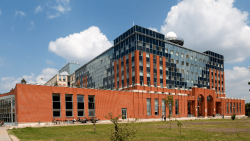 Name of the host institution: ELTE Eötvös Loránd University
Faculty: Faculty of Science
Name of the supervisor: Eszter Ari, PhD
Organisational Unit / Research Group: Institute of Biology, Department of Genetics, Evolutionary Bioinformatics Research Group
Research Team
- Eszter Ari, associate professor, group leader
- Ágoston Hunya, graduate student
- András Asbóth, graduate student
- Csenge Gazsó, master student
- Norbert Kada, master student
- evolution
- bioinformatics
- phylogenetics
- microbiology
- transcriptional regulation
- CHIP-seq, ATAC-Seq
International project experiences:
- szter Ari was a supervisor of a Visegrad 4 Eastern Partnership (V4Eap) 2014 – 2015 grant project, connected to the fellowship of Zeljko Popovic; Title: DORMANCYbase – developing a database on gene and protein expression during dormancy in animals; 3,000 EUR
- Supported Research Groups Programme 2025 - 2028: Roles: Eszter Ari - co-applicant, Ágoston Hunya - researcher; Title: Genomic surveillance for precision therapies against antibiotic-resistant bacteria; PI: Papp Balázs; Number: TKCS-2024/66; amount awarded to ELTE: 30,000,000 HUF
- ELTE international online courses 2025: the “Analysis of OMICS Data PR” was selected as a course in CHARM-EU; 500 000 HUF
- Hungarian National Research Fund Grant – Postdoctoral Excellence Programme 2020 - 2023: Eszter Ari’s role: Principal investigator; Title: How do ‘superbugs’ emerge? - A systematic study of the mobility of resistance and virulence genes in human microbiota and pathogenic bacteria; Nr. 131839; 25,500,000 HUF
Research topics:
- Investigating the mobility of antimicrobial resistance and virulence genes: Horizontal gene transfer between bacterial lineages is widespread and plays a key role in the evolution of antimicrobial resistance and virulence. Despite its clinical importance, however, we have only a limited understanding of (i) the general trends and impacts of gene exchange between virulent pathogens and multidrug-resistant commensal bacteria. We address these issues by analyzing the gene exchange networks of human microbiota, multidrug-resistant and pathogenic bacteria alike. We have published our previous works in Cell and Nature Microbiology.
- Creating and maintaining the TFLink database, an integrated gateway to access transcription factor - target gene interactions for multiple species: We created and maintain the TFLink database that uniquely provides comprehensive and highly accurate information on transcription factor - target gene interactions, nucleotide sequences and genomic locations of transcription factor binding sites for human and six model organisms. We integrated the results of small- and large-scale approaches from ten different databases. We are working on to make the database organ, tissue, and cell specific using data obtained by various high-throughput methods. We published our results in the Database journal.
- Developing python and R packages in the field of OMICS studies, epidemiology and phylogenetics: mulea, treepruner
Contact e-mail: arieszter@ttk.elte.hu
Download hosting offer: MSCA PF 2026 HOSTING OFFER – ELTE, Evolutionary Bioinformatics RG PDF (209 KB)
 Name of the host institution: ELTE Eötvös Loránd University
Faculty: Faculty of Informatics
Name of the supervisor: Tamás Orosz, PhD, Habil, Dr. Tamás Orosz
Organisational Unit / Research Group: BPIE Research Group – Business Process, Data Science & Intelligent Enterprise Systems
Research Team:
Tamás Orosz (Associate Professor, Group Leader; ERP, digital transformation, AI-driven enterprise systems)
Attila Márton Putnoki (PhD Candidate; cognitive information systems, decision support, HCI)
Arafat Md Easin (PhD Candidate; LLM integration, intelligent automation, generative models)
Georgina Asuah (PhD Candidate; SAP machine learning, custom API integration, analytics)
Imre Munkácsi (PhD Candidate; ERP implementation, Industry 4.0, clean-core systems)
Attila Selmeci (PhD Candidate; GUI development, version control, SOA in ERP)
Dominik Banka (PhD Student; explainable AI, low-code enterprise applications)
Kawkab Bouressace (PhD Student; IoT, real-time data quality monitoring)
Bochra Jendoubi (PhD Student)
Ons Saadallah (PhD Student)
+ 11 MSc students of the Data Science master's degree specialization
Project experiences (EU / international):
DATA-EDIH (European Digital Innovation Hub) – Supporting digital transformation of enterprises through AI, data analytics, and advanced technologies
SAP Manufacturing Execution & Industry 4.0, 2022
Agricultural SAP implementation, 2023
1st SAP UA Community Conference: Central and Eastern Europe, Budapest, 2024 – Organized and hosted by the research group at ELTE Faculty of Informatics
Research Interests:
Key Research Focus Areas:
Agentic AI & LLM Reasoning: Researching agent-based Artificial Intelligence and the use of Large Language Models to provide reasoning-driven guidance in complex decision-making processes.
Adaptive AutoML & Time-Series Forecasting: Developing interpretable hyperparameter optimization frameworks and drift-aware feature engineering to enhance forecasting robustness in dynamic environments (e.g., energy, finance).
List of the Research Interests:
- Generative Models and LLM Integration
- Advanced Analytics & Predictive Modeling
- Natural Language Understanding
- Sustainability & Innovation in ERP
- In Memory Database Architectures
- Enterprise Architecture Best Practices
- Commercial & Open Source Technology Stacks
- Big Data, Machine Learning, and IoT in Enterprise Contexts
- Smart Automation & Intelligent Orchestration
- Cloud Native and DevOps Driven ERP Deployment
- Cognitive Information Systems & HCI
- AI and BI Powered Enterprise Functions
- End to End Digital Transformation
- Explainable AI and Low-code technologies in ERP systems
Contact e-mail: orosztamas@inf.elte.hu
Download hosting offer: MSCA PF 2026 HOSTING OFFER – ELTE BPIE RG PDF (90 KB)
 Name of the host institution: Budapest University of Technology and Economics
Faculty: Faculty of Electrical Engineering and Informatics
Name of the supervisor: Dr. Bálint Hartmann
Organisational Unit / Research Group: Department of Electric Power Engineering, BME FASTER Research Group
Research Team: The head of the Research Group is Bálint Hartmann, senior research fellow, deputy-head of department. He received his M.Sc. degree, Ph.D. degree and habilitation from Budapest University of Economics (BME) in 2008, 2013 and 2022, respectively. His early research focused on the role of energy storage in the power system and the integration of variable renewable energy sources. Most recently, his interest was in the topological properties, the evolutionary processes of transmission and distribution networks, and how the previous affect the vulnerability of the system. He is the author of 111 journal and 92 conference papers, 11 books or book chapters and has received 1023 independent citations for his publications. His cumulative impact factor is 189.257.
István Vokony (M.Sc. 2007, Ph.D. 2012 @ BME), associate professor, head of Department. His primary area of expertise lies in power system stability, renewable energy integration, distributed energy generation, smart grids and energy policy. He also explores the corporate models within the sustainable electricity industry.
Péter Sőrés (M.Sc. 2013 @ BME), assistant lecturer. His profession includes complex, cross-business business analyses and he translates new solutions into practical projects with his team. His research curriculum includes energy market design, market operation algorithms and the allocation of transmission capacity, demonstrated in academic papers and R+D+I projects.
Project experiences (EU / international):
Selected projects of the group
- RECORD - Reimagining the EleCtric pOwer gRiD, 2025-2028, National Research Excellence Programme ADVANCED_24, Hungarian Academy of Sciences, € 300k
- HYNET: 2024-2027, HORIZON-CL5-2024-D3-01 (Grant No: 101172757), € 238k
- TwinEU: 2023-2026, H2020-EU.3.3.4., € 1,653k
- Budapest CARES: 2023-2025, H2020 Net Zero Cities, € 204k
- OneNet: 2020-2023, H2020-EU.3.3.4. (Grant No: 957739), € 1,017k, Demonstration leader
- FARCOSS: 2019-2023, H2020-EU.3.3.4. (Grant No: 864274), € 683k, Work Package leader (WP8)
- Lendület Grant: 2019-2022, Hungarian Academy of Sciences, € 400k, Principal Investigator
- INTERRFACE: 2019-2022, H2020-EU.3.3.4. (Grant No: 824330), € 995k, Task leader
- FLEXITRANSTORE: 2017-2022, H2020-EU.3.3.4. (Grant No: 774407), € 674k, Work Package leader (WP9)
- We shape the future of power grids through science-based insights and practical solutions – for stable, reliable, and sustainable operation.
- By developing innovative methods, we contribute to the renewal of power grids, offering both theoretical and practical support to professionals and the industry.
- We are one of Hungary’s leading research teams in the field of electric power systems – delivering scientific excellence, practical solutions, and business reliability in a strategically vital domain that affects everyone.
ORCID: 0000-0001-5271-2681
Contact e-mail: hartmann.balint@vik.bme.hu
Download hosting offer: MSCA PF 2026 HOSTING OFFER – BME FASTER RG PDF (238 KB)
 Name of the host institution: ELTE Eötvös Loránd University
Faculty: Faculty of Science
Name of the supervisor: Katalin Solymosi
Organisational Unit / Research Group: Institute of Biology, Department of Plant Anatomy, ELTE Plastid Biology Lab
Research Team: Our research team has expertise in plastid biology and plant stress biology and in using methods like plant physiology, biophysics, biochemistry, proteomics, cell biology (ultrastructure), functional plant anatomy and developmental biology. Our main focus is on understanding chloroplast differentiation and the role of plastids in plant development, plant interaction with the environment (’plant immunity’) and abiotic stress responses (focusing on light, salt, flooding and drought stress and subsequent recovery) in the wider contexts of sustainable agriculture and climate change. We also focus on various agricultural practices including the use of microalgal biostimulants to increase plant stress resilience towards these stressors. Our research team is composed of the following researchers: Around 4-5 BSc, MSc and PhD students are also involved in our group’s activities.
For more information contact us or see here: katalinsolymosi.elte.hu
Projects involve a previous OTKA FK on salt and drought stress on the structure of plastids, an ongoing NKKP Advanced Grant on possible alleviation and recovery of salt and drought stress in crops, a Hungarian-Bulgarian bilateral grant on understanding the desiccation tolerance of Haberlea rhodopensis, and COST SUSTAIN (CA22144) project on saline agriculture.
Project experiences (EU / international): We have several ongoing international collaborations (see here). We are involved in COST SUSTAIN (CA22144) project on saline agriculture and applied for MSCA DN projects with part of the same network.
Research Interests: We expect the successful candidate(s) to conduct their research topics within the field of plastid biology. The project can cover any field of plastid biology, including the role of plastids in plant immunity (e.g. regulation of plastid structure and function within epidermal cells) and in abiotic (e.g. drought and salt stress) and biotic stress responses of plants. Other topics related to basic understanding of plastid development in plants and algae are also welcome. The main purpose of the fellowship is to qualify researchers for work in higher academic positions within their disciplines, to develop inter- and transdisciplinary skillsets, as well as expertise in science policy and science outreach.
ORCID: 0000-0001-5246-2547
Contact e-mail: katalin.solymosi@ttk.elte.hu
Download hosting offer: MSCA PF 2026 HOSTING OFFER – ELTE, Plastid Biology Lab PDF (207 KB)
 Name of the host institution: ELTE Eötvös Loránd University
Faculty: Faculty of Education and Psychology
Name of the supervisor: Ágnes Buvár
Organisational Unit / Research Group: Institute of People-Environment Transaction / Environmental Psychology Research Group / Sustainability and Persuasion in Digital Environments working group
Research Team:
Environmental Psychology Research Group:
Prof. Andrea Dúll: Her research focuses on the processes of interaction (transaction) between people and their physical (built, natural, virtual) environment.
Iván Zsolt Berze: His research focuses on the examination of the concepts describing the relationship between the person and the places (the spaces that are meaningful to the person), especially place identity.
Attila Marcelián Dobai: His research focuses on human-environment problems, especially the sacred dimension of the built and natural environment, as well as the legal and moral factors that determine the relationship of humans to the environment.
Edit Lippai: Her main research areas are game development, people-environment transaction, and gamification.
Violetta Tóth-Varga: In her research, she takes a contextual approach to phenomena, based on the idea of the interaction between the social and physical environment.
Sustainability and Persuasion in Digital Environments Working Group:
Ágnes Buvár, PI: Her research investigates the effectiveness of communication interventions in digital environments particularly those aimed at promoting sustainable consumption.
Zsófia Péntek, PhD student
Lili Jakobovits, PhD student
Barna Lipics, PhD student
A comprehensive investigation of risk behaviors observed in online social spaces, 2025-2029, NKFIH Starting project (participant)
The Anxiety Paradox in Conspiracy Beliefs: Investigating the Link between Conspiracy Theories and Anxiety in a Societal Context, 2024-2028, OTKA thematic research project (participant)
Examining the psychological facilitators and obstacles of pro-environmental behavior, 2022-2023, European Climate Foundation (participant)
Project experiences (EU / international):
Examining the psychological antecedents of sustainable consumption (G-2305-66130), 2023-2024, European Climate Foundation
YourRightYourPlanet, 2025-2026, SMP-CONS-2024-EDU
Research Interests: Our working group is currently engaged in two major projects. The first project examines how product repairability can be effectively promoted. Repairability has become a critical lever for achieving the EU’s environmental and circular economy goals; however, consumers remain reluctant to choose repair over replacement. We investigate the effect of different communication formats, such as social media posts, repairability scores, and repair claims on consumers’ attitudes, intentions, and behavior. In the second project, we examine whether real or synthetic entities can induce deeper information processing through communication, thereby fostering stronger attitudes and contributing to closing the attitude-behavior gap related to sustainable consumption. Across both projects, we primarily employ experimental methodologies combined with neuropsychological measures and large-scale text analysis.
ORCID: https://orcid.org/0000-0001-9856-9251
Contact e-mail: buvar.agnes@ppk.elte.hu
Download hosting offer: MSCA PF 2026 HOSTING OFFER – ELTE, Environmental Psychology RG PDF (178 KB)
Name of the host institution: Eötvös Loránd UniversityFaculty: Faculty of Education and Psychology
Name of the supervisor: Renata Cserjesi
Organisational Unit / Research Group: Institute of Psychology / EMIND (Emotion and Mind Integration for Neuropsychological Development) Research Group
Research Team
Internal Members
Brigitte Biró
Michelle Fitos
Aditi Gandotra
Aya Lotfi
Mohsen Sedaghatkish Khoshkebejari
Kinga Pete
de Oliveira Negrao Raissa
Kymbat Sovetova
Soma Zsebi
Gergő Gacs
External:
Zsuzsanna Valachiné Geréb
Maimounah Habib
Johanna Czamanski-Cohen
Gyögy Vargha
Péter Nagy
We study (1) the interaction between cognition and affect, (2) how this interaction changes across the lifespan, and (3) how this interaction can be modified through interventions using methods such as neuropsychological testing, psycho-physiological measures (GSC, ECG), fNIRS, neuroart, VR, and qualitative measures.
MTA Post-Covid grant (2020-2023)
KDP grant (2023-2027)
Project experiences (EU / international):
Previous experience in Erasmus plus (2023-2025) and COST actions (CA19104, 2020-2024)
Our lab have not yet coordinated EU framework-funded projects; however, we possess substantial experience in preparing and submitting EU research proposals including Horizont, ERC Synergy, Creative EU, Marie Curie, V4 etc, providing strong methodological, administrative, and strategic foundations for future project implementation.
Research Interests: We are seeking postdoctoral researchers interested in understanding flexibility as a core transdiagnostic capacity supporting healthy psychological outcomes and well-being across the lifespan. Our focus is on disentangling flexibility into key subcomponents—psychological, cognitive, and emotional flexibility—and examining how these domains interact with one another. Research topics include flexibility in relation to emotional processing, eating-related difficulties, and overall mental and physical well-being.
Projects may employ a wide range of methods, including neuroscientific approaches (e.g. fNIRS, EEG), psychophysiological measures, and neuropsychological testing. We also strongly encourage the use of innovative and alternative techniques, such as virtual reality paradigms, voice analysis, image- or picture-based tasks, and text or language analysis.
In parallel, we are developing VR-based neurorehabilitation tools aimed at cognitive enhancement and emotional recovery. We are particularly interested in candidates with skills in Unity or Unreal Engine, gamified intervention development, and interactive system design. Postdocs will contribute to creating evidence-based protocols and to establishing rigorous validation frameworks for these novel digital interventions.
ORCID: https://orcid.org/0000-0001-9369-7334
Contact e-mail: cserjesi.renata@ppk.elte.hu
Download hosting offer: MSCA PF 2026 HOSTING OFFER – ELTE, EMIND RG PDF (241 KB)
Name of the host institution: Eötvös Loránd UniversityFaculty: Faculty of Education and Psychology
Name of the supervisor: Zoltan Kekecs, PhD
Organisational Unit / Research Group: Institute of Psychology Behavioral Medicine and Research Credibility Research Lab
Research Team: The research group involves 10 research assistants (BA and MA level psychology students) 7 PhD students, and 2 Postdoctoral researchers aside from the Principal Investigator.
The research topics of the PhD students include:
- Automation and artificial intelligence in research
- Emotional relationship with AI
- Gut-directed hypnotherapy and its mechanisms in patients with IBS
- Gut-directed hypnotherapy and its mechanisms in IBD
- Neural correlates of altered brain states
- Science of belief
- Clinical hypnosis and imagery-based techniques in eating disorders
https://royalsocietypublishing.org/rsos/article/10/2/191375/91837
Placebo hypnosis research series
https://onlinelibrary.wiley.com/doi/full/10.1111/psyp.70183
https://www.sciencedirect.com/science/article/pii/S1526590024004395
The effect of deepening and expectancy change on subjective hypnosis depth
https://osf.io/qh62y/overview
GDH project
We are at the beginning of a 4-year project where we will investigate the psychological and psychophysiological mechanisms involved in the effects of gut-directed hypnotherapy for patients with IBS and IBD.
Project experiences (EU / international):
- 2025 – Paradox Science Institute - Commissioned research contract
- 2022 – Institut für Grenzgebiete der Psychologie und Psychohygiene – Commissioned research contract
- 2020 – Fetzer Franklin Fund – Commissioned research grant
- 2019 – Fetzer Franklin Fund – Meta Science Grant
- 016 – Bial Foundation Grant Programme
Our lab’s main research focus includes:
- Hypnosis research: The psychophysiological and psychological mechanisms underlying the beneficial effects of hypnosis. The effectiveness of medical hypnosis in various areas such as reducing pain and improving quality of life related to inflammatory bowel disease, orthopedic surgery, and dental procedures.
- Methodological research: Research on meta-science and development of research methods and tools that increase the credibility of research in psychological science.
- Psychology of AI: Research related to the psychological characteristics of large language models, and the adaptation of psychological techniques to enhance AI performance and safety.
ORCID: ORCID of the lead researcher: 0000-0001-9247-9781
Contact e-mail: kekecs.zoltan@ppk.elte.hu
Download hosting offer: MSCA PF 2026 HOSTING OFFER – ELTE Behavioral Medicine and Research Credibility Lab PDF (164 KB)
 Name of the host institution: ELTE Eötvös Loránd University
Faculty: Faculty of Science
Name of the supervisor: Mihály Józsi
Organisational Unit / Research Group: Department of Immunology, Complement Research Group
Research Team
Mihály Józsi, professor, group leader
Erika Bacsa, M.Sc., PhD student
Dániel Bencze, M.Sc., PhD student
Hammad Hani Hashim, M.Sc., PhD student
Dr. Dorottya Kövesdi, Ph.D., senior research fellow
Dr. Alexandra Matola, Ph.D., research fellow
Martina Sajgó, M.Sc., PhD student
Dr. Dávid Szakács, Ph.D., research fellow
Dr. Barbara Uzonyi, Ph.D., assistant professor
Project experiences (EU / international): H2020 FET-OPEN, grant ID: 899163, SciFiMed, Screening of inFlammation to enable personalized Medicine (2021-2025)
Research Interests:
- role of the complement system in health and disease
- complement dysregulation and patholigical roles of anti-complement autoantibodies
- function of factor H family proteins
- the role of innate immunity in the defense against pathogenic microbes
Keywords: innate immunity, complement system, autoimmunity, complement-mediated diseases, factor H protein family, pentraxins, complement evasion of microbes
ORCID: Mihály Józsi (0000-0002-5520-5535) - ORCID
Contact e-mail: mihaly.jozsi@ttk.elte.hu
Download hosting offer: MSCA PF 2026 HOSTING OFFER – ELTE, COMPLEMENT RG PDF (144 KB)
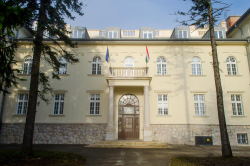 Name of the host institution: HUN-REN Research Centre for Astronomy and Earth Sciences, Konkoly Thege Miklós Astronomical Institute,
https://konkoly.hu/en
Name of the supervisor: Ágnes Kóspál, https://konkoly.hu/en/staff-members/kospal-agnes
Organisational Unit / Research Group: Konkoly Space Astronomy, Planet and Star Formation Group,
https://starformation.konkoly.hu/
Research Team: A kutatócsoportot alkotó személyek felsorolása:
- Ágnes Kóspál, accretion variability, eruptive young stellar objects, substructures of planet-forming disks, debris disks, optical, infrared, and millimeter techniques, interferometry
- Péter Ábrahám, accretion phenomena, debris disks, young stellar object variability, infrared interferometry, infrared space astronomy
- Claire Lykou, protoplanetary and post-AGB disks, eruptive young stars, evolved stars (AGB, post-AGB, pPNe, planetary nebulae), infrared interferometry (VLTI, aperture masking), interstellar dust
- Gábor Marton, time series analysis, machine learning, statistical classification of infrared sources, distribution analysis of young stellar objects
- Attila Moór, debris disks, young moving groups, infrared astronomy
- Zsófia Nagy, physics and chemistry of star-forming regions and protostars, photometry and spectroscopy of eruptive young stars, follow-up of Gaia alerts
- Zsolt Regály, numerical modeling of protoplanetary disks, vortex-aided planet formation, planetary migration, debris disks
- József Varga, substructures in planet-forming disks, circumstellar dust composition, mid-infrared interferometry
- SACCRED ERC StG project (closed)
- Star formation in space and time NKKP ADVANCED project (ongoing)
- New insights in star and planet formation Chinese-Hungarian bilateral project (ongoing)
- ERC StG 716155 SACCRED, 2017 – 2023
- H2020 101004719 OPTICON RadioNet Pilot, 2021 – 2025
- H2020 101004141 Nemesis, 2021 – 2025
- EU COST Action CA18104 MW-GAIA, 2019 – 2023
- EU COST Action CA22122 PLANETS, 2023 – 2027
- ESA PRODEX 4000129910, 4000132054, Improving classification of Young Stellar Transients with Gaia Alerts, 2020 – 2027
- Participants in two MSCA-DN proposals
ORCID: 0000-0001-7157-6275
Contact e-mail: kospal.agnes@csfk.org
Download hosting offer: MSCA PF 2026 HOSTING OFFER – CSFK, KONKOLY STARFORMATION RG PDF (185 KB)
Name of the host institution: ELTE Eötvös Loránd UniversityFaculty: Faculty of Education and Psychology
Name of the supervisor: Anna Kende
Organisational Unit / Research Group: Department of Social Psychology / Social Groups and Media Research Lab
Research Team: A kutatócsoportot alkotó személyek felsorolása:
Márton Hadarics:
- The psychology of the moral aspects of intergroup relations
- Social contexts as catalyzers of motivated political perceptions – multi-level analysis of international databases
- collective victim consciousness
- dark personality traits and workplace outcomes
- system justification and system derogation
- qualitative and quantitative research
- motivations of intergroup solidarity
- prejudice and prejudice reduction: how to decrease sexism, racism, prejudice toward sexual minorities and the stigmatization of people living with mental disorders.
- the social psychological antecedents and consequences of social responsibility: the social views, attitudes, and social preferences influencing the personal sense of social responsibility, the perceptions of social (in)equality and social fairness
- intergroup helping, collective action, motivation, intergroup solidarity, especially in the context of LGBTQ+ allyship
2016-2020: The influence of social identity on intergroup prejudice and collective action, Coordinator of the consoritum, supported by National Research Grant (grant number: 119433)
Project experiences (EU / international)
“PolRom: Identifying evidence-based methods to effectively combat discrimination of the Roma in the changing political climate of Europe” was funded by the Rights, Equality and Citizenship (REC) Programme (2014-2020) of the European (Grant No. 808062 — PolRom — REC-AG-2017/REC-RDIS-DISC-AG-2017) Union.
„ENGAGE: Using contact interventions to promote engagement and mobilisation for social change” (Grant no. 963122 — ENGAGE — REC-AG-2020 / REC-RDIS-DISC-AG-2020)
Research Interests: We conduct research in the field of intergroup relations and political psychology. Our work focuses on the psychological mechanisms of prejudice, discrimination, collective action, and social change, with special attention to the situation of disadvantaged social groups, especially Roma communities in Hungary and Europe. We also examine attitudes toward immigrants and Muslims, the role of national identity, and the social consequences of exclusionary versus inclusive group norms.
The research group combines basic and applied social psychological research methods, including surveys, experiments, interview studies and the secondary analysis of international databases. Current projects investigate how social and political contexts influence prejudice reduction, solidarity, civic engagement, and participation in social movements.
ORCID: https://orcid.org/0000-0001-5148-0145
Contact e-mail: kende.anna@ppk.elte.hu
Download hosting offer: MSCA PF 2026 HOSTING OFFER – ELTE Social Groups and Media Research Lab PDF (269 KB)
Name of the host institution: Eötvös Loránd UniversityFaculty: Faculty of Education and Psychology
Name of the supervisor: Peter Daniel Simor
Organisational Unit / Research Group: Institute of Psychology / Department of Affective Psychology / Sleep, dreams and cognition Research Group
Research Team: Peter Simor (sleep, dreaming, mind wandering)
Miha Likar (mind wandering)
Vivien Tomacsek (sleep, nightmare disorder)
Project experiences (EU / international):
Projects in basic research in the domains of sleep, dreaming and cognition
(NKFI, BIAL, FNRS, MTA)
From sleep microstructure to subjective experience: Cortical networks, information-processing and dream experiences in light of psychophysioogical investigations NKFI FK128100 (2018-2022)
Dreams, memories and emotional functions int he sleeping brain – NKFI FK142945 (2022-2026)
Research Interests: The aim of our research group is to examine human behavior with a special focus on sleep and its role in information processing. In our view, sleep provides an exciting “natural environment” to explore and unravel the neural activity of the brain as well as its more specific functions or dysfunctions. Our research topics extend from basic neurophysiological studies to more complex experiments focusing also on the behavioral level. Our aim is to understand sleep and sleep-related cognitive and affective processes in their entirety integrating multiple (physiological, cognitive and phenomenological) levels of analyses.
Our current projects cover three main areas of research:
- The neurophysiology of REM sleep
- Lucid dreaming
- The role of mind wandering in learning and cognition
Simor, P., van der Wijk, G., Nobili, L., & Peigneux, P. (2020). The microstructure of REM sleep: Why phasic and tonic?. Sleep medicine reviews, 52, 101305.
Simor, P., Vékony, T., Farkas, B. C., Szalárdy, O., Bogdány, T., Brezóczki, B., ... & Németh, D. (2025). Mind wandering during implicit learning is associated with increased periodic EEG activity and improved extraction of hidden probabilistic patterns. Journal of Neuroscience, 45(19).
Simor, P., Bogdány, T., & Peigneux, P. (2022). Predictive coding, multisensory integration, and attentional control: A multicomponent framework for lucid dreaming. Proceedings of the National Academy of Sciences, 119(44), e2123418119.
ORCID: https://orcid.org/0000-0003-0695-166X
Contact e-mail: simor.peter@ppk.elte.hu
Download hosting offer: MSCA PF 2026 HOSTING OFFER – ELTE Sleep, Dreams and Cognition RG PDF (304 KB)
Name of the host institution: Eötvös Loránd UniversityFaculty: Faculty of Education and Psychology
Name of the supervisor: Krisztián Széll
Organisational Unit / Research Group: Institute of Education / Research Group for Pedagogical Innovations and Social Opportunities
Research Team:
Krisztián Széll
His research focuses on educational effectiveness, equality and equity, drop-out, school leadership, educational resilience, as well as student and school well-being.
Anikó Fehérvári
Her research focuses on analysing social and educational inequalities, the research of inequalities in learning pathways, school, and academic performance.
Anikó Zsolnai
Her research focuses on development of social and emotional skills from preschool age to adolescence and assessment of social competence development in childhood.
Borbála Paksi
Her research focuses on social and behavioural problems at school, monitoring and evaluation of school health promotion and drug prevention programs and drug epidemiology.
Attila Rausch
His research focuses on educational technology, technology-based assessment in education, assessment and development of early numeracy and digital competence.
Nikoletta Gulya
Her research focuses on promoting inclusive education and the impact of teaching materials depicting minority groups on students' attitudes toward social diversity.
Zsófia Winkler
Her research focuses on the exploration of the opportunities of development of social and emotional skills and competencies and the development of resilience in early childhood.
Ongoing projects:
- Peer mentoring program to prevent early school leaving
- Collaborative writing: Literacy development for and by high-school students from diverse sociocultural backgrounds
- WSLS: World School Leadership Study
- School Well-being and Resilience in Primary Schools with Low Socio-economic Status, Principal Investigator, supported by National Research Grant (grant number: 138342)
- CHANGING SOCIETY - CHANGING ADDICTIONS? Wave 6 of the National Survey on Addiction Problems in (NSAPH) 2023 by National Research Grant (grant number: 143732)
Research Interests: We conduct research on the relationships between education and society, with a particular focus on educational effectiveness, equality and equity, school leadership, educational resilience, and student and school well-being. Our work examines the social and educational mechanisms shaping learning pathways, school careers, academic performance, and dropout, with special attention to disadvantaged and marginalised groups. We also investigate inclusion, school climate, social and emotional development, and the role of schools in reducing inequalities and supporting students’ successful development. We combine basic and applied educational and social science research using quantitative, qualitative, and mixed-methods approaches.
Current projects focus on peer mentoring programs to prevent early school leaving, particularly the role of socio-economic background in mentoring processes and outcomes. We also examine school well-being, resilience, school leadership, and educational effectiveness in disadvantaged and international comparative contexts.
ORCID: https://orcid.org/0000-0001-9209-0813
Contact e-mail: szell.krisztian@ppk.elte.hu
Download hosting offer: MSCA PF HOSTING OFFER 2026 – ELTE Pedagogical Innovations and Social Opportunities RG PDF (266 KB)
If you are interested in any of the host offers, please send the completed application template, which can be downloaded here, to the contact email address provided in the respective host offer.
Who can apply for a Postdoctoral Fellowships?
Researchers interested in MSCA PF
- should have a PhD degree at the time of the deadline for applications. Applicants who have successfully defended their doctoral thesis but who have not yet formally been awarded the doctoral degree will also be considered eligible to apply
- must have a maximum of eight years experience in research, from the date of the award of their PhD degree, years of experience outside research and career breaks will not count towards the above maximum, nor will years of experience in research in third countries, for nationals or long-term residents of EU Member States or Horizon Europe Associated Countries who wish to reintegrate to Europe
- should comply with mobility rules: they must not have resided or carried out their main activity (work, studies, etc.) in the country of the beneficiary (for European Postdoctoral Fellowships), or the host organisation for the outgoing phase (for Global Postdoctoral Fellowships) for more than 12 months in the 36 months immediately before the call deadline.